How to Maintain a Mold-Free Environment After Remediation in Paradise Valley
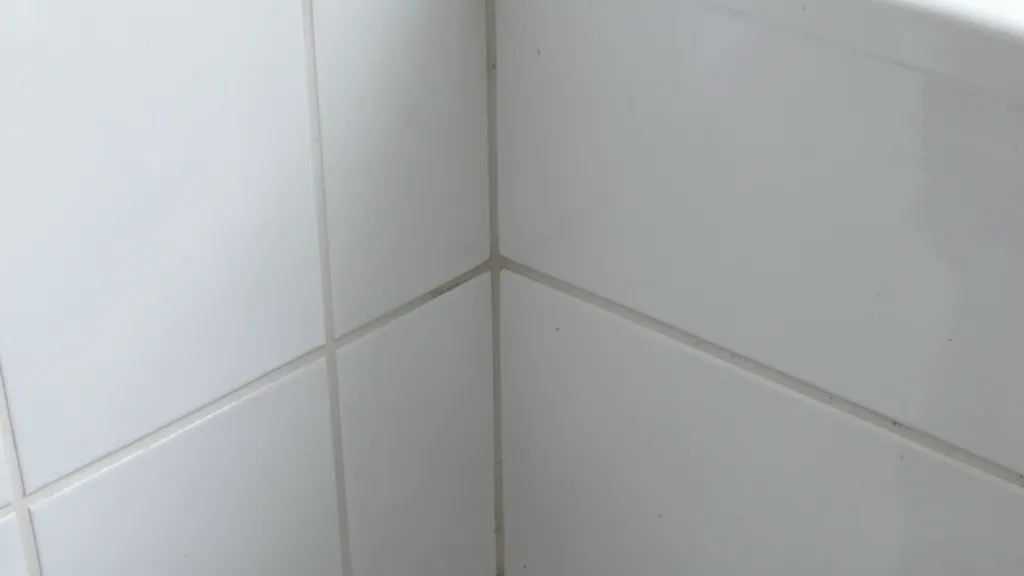
Mold remediation is only the first step—without proactive maintenance, spores can return in as little as 24-48 hours. We’ve helped hundreds of homeowners in Paradise Valley and beyond keep their spaces clean long-term. Here’s how to lock out mold for good.
Why Mold Returns After Remediation
Mold thrives where moisture lingers. Even after professional removal, hidden leaks or poor ventilation in areas like attics, basements, or crawl spaces can reignite growth.
Porous materials—drywall, insulation, carpet—retain spores. If not fully dried or replaced, they become breeding grounds, especially during Arizona’s humid monsoon season.
Critical First Steps Post-Remediation
Confirm all affected materials were properly removed or treated. We use HEPA vacuums and air scrubbers to clear residual spores, but DIY follow-up often misses hidden pockets.
Run dehumidifiers in problem areas for at least 72 hours post-remediation. In Paradise Valley’s dry climate, indoor humidity can still spike from AC condensation or poor drainage.
Immediate Post-Remediation Actions
- Inspect for missed water damage or dampness
- Replace or seal porous materials that couldn’t be cleaned
- Run air purifiers with HEPA filters for 48–72 hours
- Schedule a follow-up mold inspection within 30 days
Humidity: The Invisible Enemy
Arizona’s Sonoran Desert climate is dry, but indoor humidity can climb from cooking, showers, or AC units. Keep levels below 50% to starve mold spores.
Use hygrometers to monitor basements, crawl spaces, and bathrooms. In Cave Creek or Carefree homes with slab foundations, moisture can seep upward without obvious signs.
Ventilation Strategies That Work
Exhaust fans in kitchens and bathrooms are non-negotiable. In Paradise Valley, where homes often have flat roofs, attic ventilation prevents condensation buildup that leads to hidden mold.
Open windows during dry spells, but avoid cross-ventilation during monsoon season. Use trickle vents or ERVs (energy recovery ventilators) for controlled airflow.
HVAC Systems: Your Mold Prevention Workhorse
AC coils and ductwork collect moisture and dust—prime mold food. Clean or replace filters monthly, and consider UV-C light installation in ducts to neutralize spores.
In Scottsdale and Phoenix, where HVAC systems run year-round, neglecting maintenance is a primary cause of mold recurrence. We’ve seen entire duct systems require remediation due to overlooked condensation.
Musty odors from vents often mean mold in ducts. Stop using the system and call for an inspection immediately.
Targeted Solutions for Problem Areas
Attics need ridge vents and soffit vents to expel heat and moisture. In older Paradise Valley homes, missing or clogged vents trap humidity, leading to rafter and sheathing mold.
Crawl spaces require vapor barriers and, in some cases, encapsulated systems. Basements—rare here but present in some custom builds—need sump pumps and French drains if groundwater is an issue.
| Area | Common Issue | Solution |
|---|---|---|
| Attic | Poor ventilation, roof leaks | Ridge/soffit vents, repair leaks, add insulation |
| Crawl Space | Ground moisture, poor airflow | Vapor barrier, encapsulation, dehumidifier |
| Bathroom | High humidity, poor exhaust | Upgrade exhaust fan, use moisture-resistant paint |
| HVAC Ducts | Condensation, dust buildup | UV-C lights, regular duct cleaning, filter upgrades |
| Basement | Water intrusion, high humidity | Sump pump, French drain, dehumidifier |
Regular Inspections and Testing
Schedule professional mold inspections annually, especially before monsoon season. Air quality testing catches spore counts before they become visible problems.
DIY visual checks are useful but limited. We use thermal imaging to detect hidden moisture in walls or under flooring—critical for early intervention.
Test after water damage, before buying a home, or if occupants experience unexplained allergies. Air quality testing is cheaper than remediation.
Long-Term Mold Prevention Habits
Fix leaks immediately—even small drips from pipes or roofs can sustain mold colonies. In Paradise Valley, where homes often have stucco exteriors, water can intrude unseen behind walls.
Use mold-resistant products for repairs: paperless drywall, moisture-resistant paint, and treated wood. These buy time if moisture issues arise again.
How to Conduct a Weekly Mold Prevention Check
Spend 10 minutes weekly to catch issues early and avoid costly remediation.
- 1Check for Water Intrusion
Inspect under sinks, around appliances, and near windows for leaks or condensation. Look for water stains or peeling paint.
- 2Monitor Humidity Levels
Use a hygrometer in high-risk areas. If levels exceed 50%, run a dehumidifier or improve ventilation.
- 3Inspect HVAC Components
Peek at AC drip pans and coils for standing water or mold. Replace filters if dirty or damp.
- 4Ventilate Enclosed Spaces
Open crawl space vents (if applicable) and run bathroom exhaust fans for 20 minutes after showers.
- 5Scan for Musty Odors
Sniff test hidden areas like closets, behind furniture, and in attics. Musty smells often precede visible mold.
Frequently Asked Questions
How often should I replace HVAC filters to prevent mold in Paradise Valley?
Replace standard filters every 1–2 months, or upgrade to high-MERV filters and change them every 3 months. In dusty areas like Cave Creek or Carefree, more frequent changes may be needed to prevent clogging and moisture buildup.
Can I use bleach to clean mold after remediation?
Bleach kills surface mold but doesn’t penetrate porous materials like drywall or wood. It also leaves behind moisture, which can worsen the problem. For post-remediation maintenance, use EPA-approved mold cleaners or consult our team for safe alternatives.
What’s the difference between mold inspection and air quality testing?
Mold inspections are visual and physical checks for mold growth and moisture sources. Air quality testing measures spore counts in the air, even when mold isn’t visible. We often recommend both for a complete picture, especially in humidity-prone areas.
Are dehumidifiers necessary in Paradise Valley’s dry climate?
Yes, in specific areas. While outdoor humidity is low, indoor spaces like basements, crawl spaces, or bathrooms can still trap moisture. A dehumidifier in these zones prevents mold growth, even in arid regions.
How do I know if my mold issue is serious enough for professional remediation?
If mold covers more than 10 square feet, is in your HVAC system, or keeps returning after cleaning, it’s time for professional remediation. Also, if occupants experience health symptoms like respiratory issues or allergies, don’t wait—request a quote for inspection.
Does homeowners insurance cover mold remediation in Arizona?
Coverage varies. Most policies cover mold damage only if it’s a direct result of a covered peril, like a burst pipe. They often exclude mold from long-term moisture issues or poor maintenance. Check your policy and document any water damage immediately.