Mold Remediation vs. Mold Mitigation: What Paradise Valley Property Managers Should Know
Property managers in Paradise Valley know mold isn’t just an eyesore—it’s a liability. The desert’s monsoon season and hidden water leaks can turn a minor issue into a full-blown infestation overnight. Understanding the difference between remediation and mitigation helps you act fast, comply with regulations, and safeguard tenant health and property value.
Why the Distinction Matters for Paradise Valley Properties
Mold remediation and mitigation are often used interchangeably, but they serve distinct purposes. Remediation addresses active mold growth, while mitigation prevents future outbreaks. For property managers, the wrong approach can mean recurring problems and higher costs.
In our arid climate, mold thrives in overlooked areas: behind drywall after a pipe burst, in attics with poor ventilation, or in crawl spaces under Phoenix and Scottsdale homes. Mitigation stops these issues before they start.
What Is Mold Remediation?
Remediation is the process of removing existing mold colonies and contaminated materials. Our team uses HEPA vacuuming, antimicrobial treatments, and controlled demolition to eliminate spores at the source.
This isn’t just wiping surfaces. For severe cases in Cave Creek or Carefree homes, we may need to remove and replace drywall, insulation, or subflooring. Air scrubbers capture airborne spores during the process to prevent cross-contamination.
If mold covers 10+ square feet, or if it’s in HVAC systems, remediation is required by EPA guidelines. Tenant health and legal compliance depend on it.
What Is Mold Mitigation?
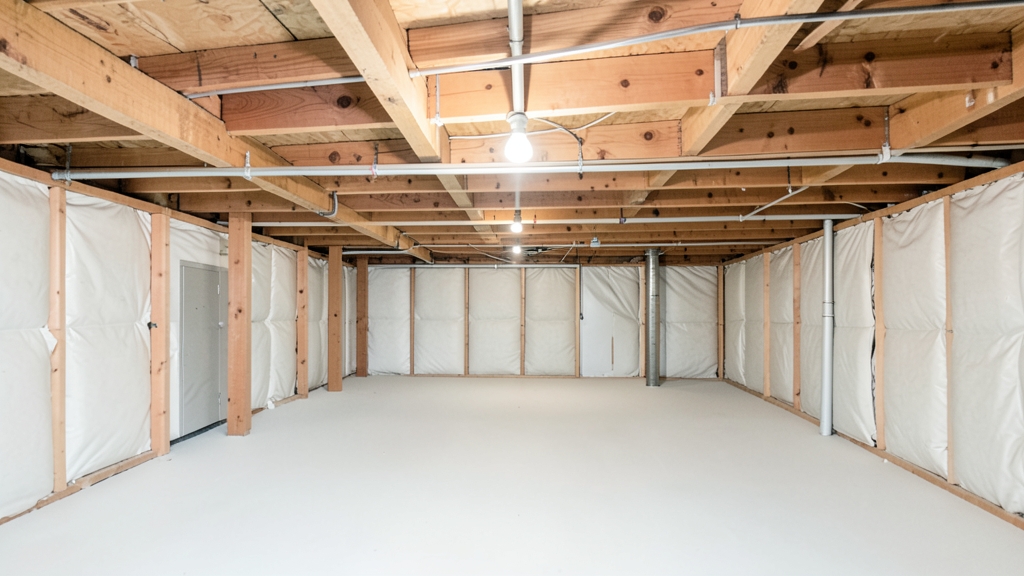
Mitigation focuses on moisture control to prevent mold before it grows. In Paradise Valley, this often means addressing poor drainage, leaky roofs, or high humidity in basements and crawl spaces.
We install vapor barriers, improve ventilation, and use dehumidifiers in problem areas. For commercial properties, regular HVAC inspections and moisture mapping are key to long-term prevention.
Key Differences at a Glance
The goals, methods, and timelines for remediation and mitigation differ significantly. Below is a side-by-side comparison to clarify when each is appropriate for your property.
| Aspect | Mold Remediation | Mold Mitigation |
|---|---|---|
| Primary Goal | Remove active mold colonies and contaminated materials | Prevent mold growth by controlling moisture |
| When It’s Needed | Visible mold, musty odors, water damage, or confirmed mold testing results | After water damage, in high-humidity areas, or as proactive maintenance |
| Common Methods | HEPA vacuuming, antimicrobial treatments, material removal, air scrubbing | Dehumidifiers, vapor barriers, ventilation improvements, leak repairs |
| Typical Duration | 3–7 days (depends on severity and area size) | Ongoing or 1–2 days for initial setup |
| Follow-Up Required | Post-remediation verification (air quality testing) | Regular moisture inspections and maintenance |
Signs Your Property Needs Remediation Now
Musty odors are the most common red flag, but visible mold—black, green, or white spots—is a clear sign. In Paradise Valley, check attics after monsoon season and basements after heavy rains.
Less obvious signs include water stains, peeling paint, or warped walls. Tenants reporting allergies or respiratory issues may also indicate hidden mold. When in doubt, professional mold testing provides answers.
Mold behind walls or under flooring can spread rapidly. Thermal imaging and borescope inspections reveal what’s invisible to the naked eye.
When Mitigation Is the Smarter First Step
If your property has a history of water intrusion but no active mold, mitigation is the cost-effective choice. For example, after fixing a leak in a Scottsdale rental, we’d recommend crawl space encapsulation to prevent future issues.
Mitigation is also ideal for new constructions or renovations in humid microclimates, like areas near the Salt River. Proactive measures here save thousands in potential remediation later.
The Role of Professional Mold Testing
Before deciding between remediation or mitigation, accurate testing is critical. Air quality testing identifies spore types and concentrations, while surface testing confirms mold species on materials.
In Paradise Valley, we often see Aspergillus and Penicillium in homes, but black mold (Stachybotrys) requires immediate remediation. Testing also provides baseline data for post-remediation verification.
Preventing Recurrence After Remediation
Remediation without mitigation is like treating the symptom, not the disease. After removing mold, we address the root cause: moisture. This might involve repairing leaks, improving grading around the foundation, or upgrading insulation.
For property managers, we recommend a post-remediation maintenance plan. This includes quarterly inspections, especially before monsoon season, and tenant education on reporting leaks or condensation issues.
Post-Remediation Maintenance Checklist
- Inspect roofs and gutters before monsoon season
- Check HVAC drip pans and condensate lines monthly
- Monitor humidity levels (keep below 50%) with hygrometers
- Seal gaps around windows and doors to reduce condensation
- Educate tenants on proper ventilation (e.g., bathroom fans, kitchen exhaust)
How to Decide Between Remediation and Mitigation
Use this step-by-step guide to determine the right approach for your property.
- 1Conduct a Visual Inspection
Look for visible mold, water stains, or signs of moisture damage. Pay special attention to attics, basements, and areas around plumbing.
- 2Assess the Scope
If mold covers less than 10 square feet and is surface-level, mitigation may suffice. Larger or hidden infestations require remediation.
- 3Identify the Moisture Source
Use moisture meters or thermal imaging to locate leaks, condensation, or poor ventilation. Without fixing the source, mold will return.
- 4Consult a Professional
For uncertainty or large areas, hire a mold inspector. They’ll provide testing results and recommend remediation or mitigation based on data.
- 5Develop a Plan
Work with a remediation specialist to create a tailored plan. Include containment, removal, cleaning, and prevention strategies for long-term protection.
Frequently Asked Questions
Is mold remediation covered by insurance in Paradise Valley?
Coverage depends on your policy and the cause of the mold. Most standard policies cover remediation if the mold results from a covered peril, like a burst pipe. However, they often exclude mold caused by neglect or poor maintenance. Always review your policy and document the damage thoroughly.
How long does mold remediation take for a typical Paradise Valley home?
The timeline varies by severity and size. A contained issue in a bathroom might take 1–3 days, while a whole-home infestation in a Scottsdale or Cave Creek property could require 5–7 days. Drying time after water damage also extends the process.
Can I handle mold mitigation myself?
For small, surface-level mold in non-porous areas, DIY mitigation (e.g., cleaning with detergent, improving ventilation) may work. However, for porous materials like drywall or large areas, professional mitigation ensures thoroughness and prevents recurrence. Improper handling can spread spores.
What’s the most common cause of mold in Paradise Valley properties?
Water intrusion from monsoon rains, plumbing leaks, or poor drainage is the leading cause. In older homes, especially in areas like Carefree, aging roofs and improper grading contribute to moisture problems. HVAC systems with condensation issues are another frequent culprit.
How do I know if mold is toxic?
The term 'toxic mold' is misleading—all mold can cause health issues in high concentrations. Black mold (Stachybotrys) is often labeled toxic due to its mycotoxins, but other species like Aspergillus can also pose risks. Professional testing identifies the species and spore counts to assess danger.
Do I need to relocate tenants during mold remediation?
For small, contained projects, tenants may not need to leave. However, large-scale remediation—especially in commercial properties or multi-unit buildings—often requires temporary relocation. Containment barriers and air scrubbers minimize exposure, but safety is the priority.