How Paradise Valley’s Climate Shapes Post-Remediation Mold Verification
Post-remediation mold verification isn’t just a final checkbox—it’s a climate-dependent process. In our desert environment, seasonal swings from bone-dry heat to monsoon humidity demand a tailored approach to ensure mold doesn’t return. We’ll break down how local conditions influence testing, clearance, and long-term prevention.
Why Post-Remediation Verification Matters in Arid Climates
Even in dry climates like ours, mold can persist in hidden pockets of moisture. Post-remediation verification confirms that spores are gone—and that the root cause (water, humidity, or poor airflow) is under control.
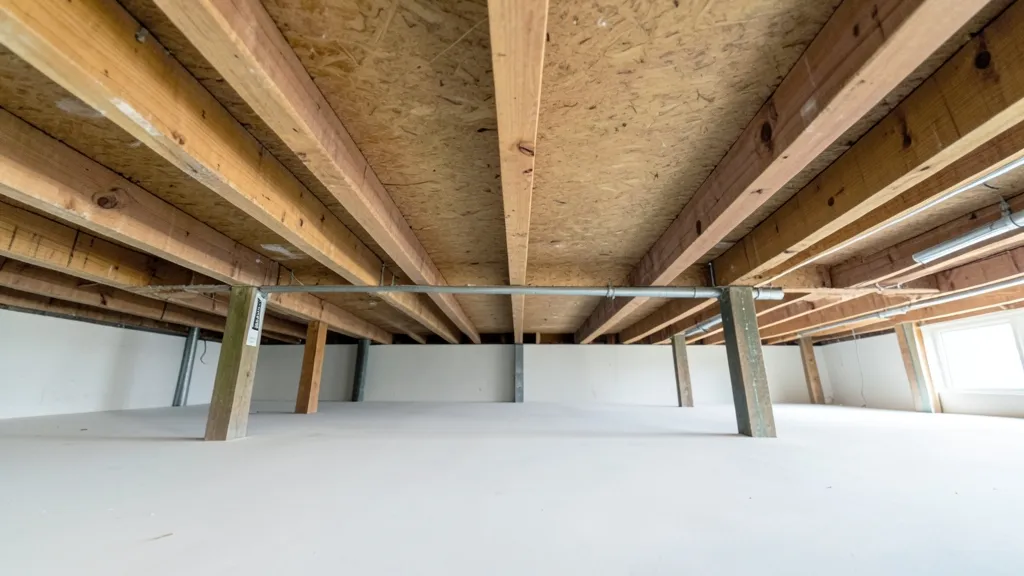
Skipping this step risks undetected regrowth, especially in microclimates like crawl spaces, attics, or behind walls where humidity lingers despite the desert air outside.
Paradise Valley’s low outdoor humidity masks indoor issues. Leaks, condensation, or poor ventilation can create ideal mold conditions even when it’s 110°F outside.
Monsoon Season: The Critical Window for Verification
Our summer monsoons bring sudden humidity spikes, testing any remediation’s durability. Verification should occur *after* a monsoon event to ensure systems hold under real-world stress.
We often schedule follow-up air quality testing in late summer or early fall, when moisture levels peak and hidden problems reveal themselves.
Clearance Testing: More Than a Pass/Fail
Clearance testing uses air and surface samples to compare spore counts to outdoor baselines. In our area, outdoor counts are typically low—so indoor results must match or beat that benchmark.
We prioritize ERMI or HERTSMI-2 dust tests for homes with past water damage, as these detect species linked to water intrusion, common in Phoenix, Scottsdale, and Cave Creek properties.
| Method | Best For | Limitations |
|---|---|---|
| Air Sampling (Spore Trap) | General indoor air quality | Misses hidden mold in walls/crawl spaces |
| Surface Sampling (Tape/Swab) | Visible mold on non-porous surfaces | Limited to accessible areas |
| ERMI Dust Test | Historical water damage, species identification | Doesn’t measure active growth |
| Clearance Testing (Third-Party) | Final verification after remediation | Requires professional interpretation |
Local Hotspots: Where Mold Hides in Paradise Valley Homes
Attics with poor ventilation trap heat and moisture, especially in older homes in Carefree or Cave Creek. Radiant barriers can worsen condensation if not paired with proper airflow.
Crawl spaces in Paradise Valley often lack vapor barriers, letting ground moisture seep in. Basements—rare but present in some custom builds—demand dehumidifiers year-round.
HVAC systems are a top culprit. Ductwork in attics or slab-on-grade homes can harbor mold if not inspected post-remediation.
Humidity Control: The Backbone of Long-Term Prevention
Maintaining indoor humidity below 50% is non-negotiable. In our climate, that often means whole-house dehumidifiers for homes with poor natural ventilation.
Smart thermostats with humidity sensors help, but we recommend dedicated dehumidifiers for crawl spaces, basements, and attics—especially during monsoon season.
Place units near moisture sources (e.g., laundry rooms, bathrooms) and ensure they drain to a sump or exterior line. Portable units won’t cut it for large or sealed spaces.
Materials Matter: Porous vs. Non-Porous Surfaces
Porous materials like drywall, insulation, or carpet often require removal if contaminated. Non-porous surfaces (tile, glass, metal) can sometimes be cleaned and salvaged.
In attic or crawl space remediation, we frequently replace insulation and use mold-resistant drywall (e.g., paperless gypsum) in rebuilds.
When to Re-Test: A Timeline for Paradise Valley Homeowners
First verification occurs immediately after remediation. We then recommend re-testing after the first monsoon season to confirm stability.
Annual air quality checks are wise for homes with past issues, especially in neighborhoods with older plumbing or flat roofs prone to leaks.
Commercial Spaces: Unique Challenges and Solutions
Offices, retail, and restaurants in Scottsdale or Phoenix face higher occupancy moisture loads. HVAC systems must be meticulously maintained to prevent ductwork contamination.
For commercial mold remediation, we often implement ongoing moisture monitoring and staff training to catch leaks or spills early.
Post-Remediation Maintenance for Businesses
- Schedule quarterly HVAC inspections and duct cleanings
- Install moisture sensors in high-risk areas (kitchens, restrooms, storage)
- Train staff to report water intrusions immediately
- Document all maintenance for compliance and insurance
How to Prepare for Post-Remediation Verification
A smooth verification process starts with proper preparation.
- 1Seal the Work Area
Ensure all remediated zones are isolated from the rest of the home to prevent cross-contamination during testing.
- 2Run HVAC Normally
Operate your heating/cooling system as usual for at least 24 hours before sampling to get accurate air quality results.
- 3Avoid Cleaning
Don’t dust, vacuum, or use air purifiers right before testing—this can skew spore counts and mask problems.
- 4Clear Access Points
Move furniture or stored items away from walls, attics, or crawl spaces so technicians can take samples unimpeded.
- 5Provide Remediation Documentation
Have your remediation report and moisture maps ready for the verification team to compare against current conditions.
Frequently Asked Questions
How soon after remediation can clearance testing be done in Paradise Valley?
Clearance testing typically occurs within 24–72 hours after remediation, once surfaces are dry and the area is visually clean. However, we often recommend a follow-up test after the first monsoon to confirm long-term success.
Does homeowners insurance cover post-remediation verification?
Coverage varies by policy and cause of mold. Water damage from a covered peril (e.g., burst pipe) may include verification, but gradual issues like humidity-related mold often don’t. Request a quote from us to understand costs and factors like square footage and testing type.
Can I do my own mold testing after remediation?
DIY test kits lack the precision of professional air sampling and can produce false negatives or positives. For post-remediation verification, third-party testing by a certified inspector ensures unbiased, court-defensible results.
What’s the most common reason for failed clearance tests in this area?
Incomplete drying or overlooked moisture sources—like a slow leak behind a shower wall or condensation in ductwork—are top culprits. Our dry climate can lull homeowners into skipping thorough moisture control.
How does Paradise Valley’s climate affect mold regrowth risk?
The extreme heat can dry out some mold, but monsoon humidity revives spores quickly. Homes with poor ventilation or water damage are at high risk, especially in shaded or north-facing areas where moisture lingers longer.
Are there specific mold species more common here?
Yes. *Aspergillus* and *Penicillium* thrive in dusty, dry environments, while *Stachybotrys* (black mold) often appears after water intrusion. ERMI testing helps identify these species during verification.