Preventing Mold and Mildew in Paradise Valley: Pro Tips from Local Remediation Experts
Paradise Valley’s dry heat doesn’t make homes immune to mold. Even in arid climates, hidden moisture from leaks, poor ventilation, or monsoon season humidity can spark growth. We’ve seen firsthand how small oversights lead to costly remediation—so we’re sharing the exact strategies we use to keep properties mold-free year-round.
Why Paradise Valley Homes Aren’t Safe from Mold
Arizona’s low humidity fools many into thinking mold can’t take hold. But mold spores thrive anywhere moisture lingers—behind walls, under flooring, or in crawl spaces—even in our desert climate.
Monsoon season brings sudden humidity spikes, and poor drainage or AC condensate leaks can create perfect breeding grounds. We’ve remediated mold in Scottsdale, Phoenix, and Cave Creek homes that seemed ‘too dry’ to be at risk.
The Most Common Mold Hotspots in Local Homes
Attics with poor ventilation trap heat and moisture, especially after roof leaks. We often find mold colonizing sheathing or insulation in older Paradise Valley homes.
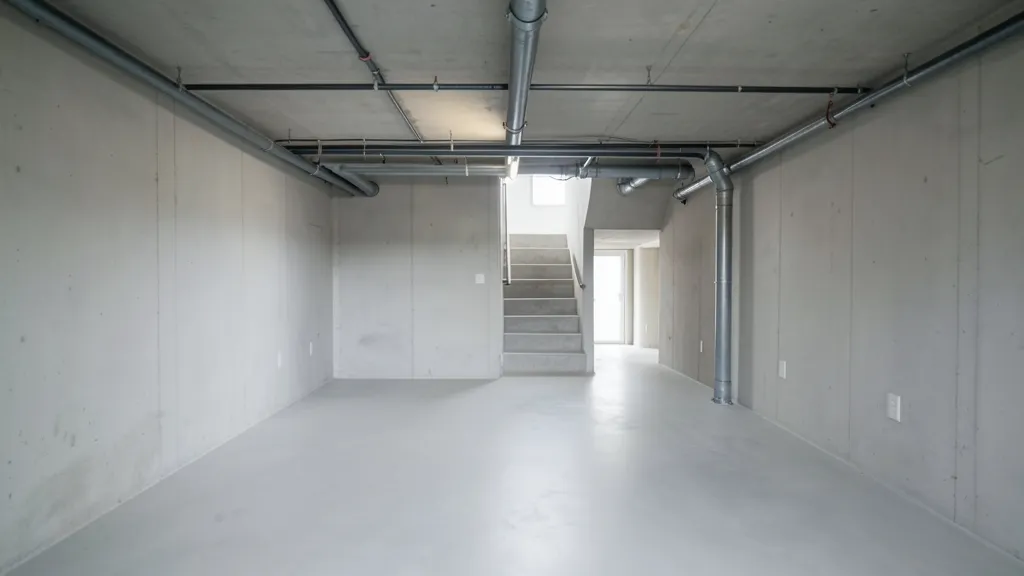
Crawl spaces and basements—even in arid areas—can harbor mold if vapor barriers fail or groundwater seeps in. Nearby Carefree and Cave Creek homes with slab foundations aren’t exempt from hidden moisture issues.
Bathrooms and kitchens without exhaust fans or with slow leaks under sinks are classic culprits. HVAC systems with clogged drain lines can also spread spores through ductwork.
| Area | Common Cause | Risk Level |
|---|---|---|
| Attic | Poor ventilation + roof leaks | High |
| Crawl Space | Missing vapor barrier + groundwater | High |
| Bathroom | No exhaust fan + plumbing leaks | Medium |
| HVAC System | Clogged condensate line | Medium |
| Basement | Poor drainage + humidity | High |
| Under Sink | Slow leaks + organic debris | Low-Medium |
Moisture Control: A Key Defense Against Mold
Mold can’t grow without moisture. Fixing leaks, improving drainage, and using dehumidifiers in problem areas cuts off its lifeline. We recommend keeping indoor humidity below 50%—critical during monsoon season.
In Paradise Valley, exterior grading and proper gutter systems prevent water from pooling near foundations. Interior fixes like sealing ducts and insulating cold surfaces reduce condensation.
Run a dehumidifier in basements or crawl spaces during humid months. Empty the tank daily or opt for a model with a drain hose.
Ventilation Matters More Than You Think
Stagnant air traps moisture and spores. Exhaust fans in bathrooms and kitchens should vent outside—not into attics. We’ve seen attic mold explode after fans dumped humid air into unconditioned spaces.
Whole-house ventilation systems or even open windows (when humidity is low) improve airflow. For commercial properties in Phoenix or Scottsdale, we often install dedicated fresh-air intakes.
Signs You Might Already Have a Mold Problem
Musty odors are the most obvious red flag. Visible growth—black, green, or white—on walls, ceilings, or under sinks confirms it. But mold often hides behind drywall or under flooring.
Allergy-like symptoms (sneezing, itchy eyes) that worsen at home can signal hidden spores. If you suspect mold, professional mold testing and air quality testing are the only ways to be sure.
Never ignore water stains or peeling paint. These are late-stage signs of moisture damage—and mold is often already present.
DIY Prevention vs. When to Call the Pros
Homeowners can handle small fixes: sealing gaps, cleaning bathroom grout, or running dehumidifiers. But if mold covers more than 10 square feet, or if it’s in HVAC systems or crawl spaces, call a remediation team.
We’ve seen DIY bleach treatments fail because they don’t address the root moisture issue. Professional mold removal includes containment, HEPA filtration, and moisture control to prevent regrowth.
When to Call a Mold Remediation Expert
- Mold covers more than 10 sq. ft.
- Mold is in HVAC ducts or crawl spaces
- You smell mold but can’t find the source
- Water damage was recent and untreated
- Occupants experience health symptoms
Long-Term Mold Prevention: A Local’s Checklist
Annual inspections of roofs, gutters, and plumbing catch leaks early. In Paradise Valley, we also check for monsoon-related damage after heavy rains.
Upgrade to moisture-resistant materials in high-risk areas: paperless drywall in bathrooms, sealed crawl space vapor barriers, and attic ventilation systems. Smart sensors can alert you to humidity spikes before mold starts.
How to Inspect Your Home for Mold Risk
A thorough walkthrough can reveal hidden moisture problems before mold takes hold.
- 1Check for Water Stains
Look at ceilings, walls, and under sinks for discoloration or peeling paint. These indicate past or current leaks.
- 2Test Humidity Levels
Use a hygrometer to measure humidity in basements, attics, and crawl spaces. Aim for below 50%.
- 3Inspect HVAC Systems
Check drain pans and lines for clogs or standing water. Replace filters regularly to prevent spore circulation.
- 4Examine Exterior Drainage
Ensure gutters direct water away from the foundation. Look for pooling near the home after rain.
- 5Look for Condensation
Cold surfaces like pipes, windows, or ductwork can sweat. Wipe them down and address insulation gaps.
- 6Sniff for Odors
Musty smells in specific areas often point to hidden mold. Trace the scent to its source.
Frequently Asked Questions
Does mold grow faster in Paradise Valley during monsoon season?
Yes. Monsoon season brings higher humidity, which accelerates mold growth if moisture is already present. Even a small leak or poor ventilation can lead to colonies within days. We recommend extra vigilance from July to September.
Can I just paint over mold to hide it?
No. Painting over mold without removing it first traps spores, which continue growing underneath. The mold will resurface, and the problem will worsen. Always address the moisture source and clean or remediate the area properly.
How do I know if my HVAC system is spreading mold?
If you notice a musty smell when the system runs, or see mold near vents, your HVAC could be contaminated. Professional air quality testing can confirm spore levels. We often find mold in ductwork or drain pans during inspections in Scottsdale and Phoenix homes.
Are there mold-resistant building materials for Arizona homes?
Absolutely. Paperless drywall, moisture-resistant insulation, and sealed crawl space liners help prevent growth. For new builds or renovations in Paradise Valley, we recommend these upgrades, especially in basements, attics, and bathrooms.
What’s the difference between mold testing and mold inspection?
A mold inspection is a visual and physical assessment of your property for signs of mold and moisture. Mold testing involves collecting air or surface samples to identify spore types and concentrations. Both are often needed for a full diagnosis.
Is black mold more dangerous than other types in Paradise Valley homes?
Black mold (Stachybotrys) produces mycotoxins that can pose health risks, but all mold should be treated seriously. The color doesn’t always indicate toxicity—professional testing is the only way to know for sure. We prioritize removal regardless of type.