The Science Behind Effective Mold Spore Removal in Paradise Valley
Mold isn’t just an eyesore—it’s a complex biological invader that thrives in the unique climate of our region. Effective mold spore removal requires more than bleach and elbow grease; it demands a scientific approach to break the cycle of growth and reinfestation. Our team uses proven remediation techniques to target spores at their source, not just the visible colonies.
Why Mold Spores Are a Persistent Problem in Our Climate
Paradise Valley’s dry heat might seem inhospitable to mold, but monsoon season and indoor humidity create ideal conditions. Spores lie dormant for months, then explode into active growth when moisture levels rise above 60%.
Even in arid stretches, poor ventilation in attics or crawl spaces traps humidity from daily activities. Without intervention, spores colonize drywall, insulation, and HVAC ducts—often hidden from plain sight.
Mold can grow undetected behind walls or under flooring. By the time you see or smell it, the infestation may already be widespread.
The Biology of Mold: How Spores Spread and Survive
Mold reproduces via microscopic spores, which are hardy enough to survive extreme temperatures, UV exposure, and even some chemical treatments. They hitch rides on air currents, pets, and clothing, making containment critical during remediation.
Common genera like Aspergillus and Penicillium release mycotoxins that can trigger respiratory issues, especially in sensitive individuals. Spore counts as low as 1,000 per cubic meter can pose health risks in enclosed spaces.
Scientific Remediation: More Than Just Cleaning
True mold spore removal starts with identifying the moisture source. We use thermal imaging and moisture meters to pinpoint leaks, condensation, or poor drainage—often in attics, basements, or around windows.
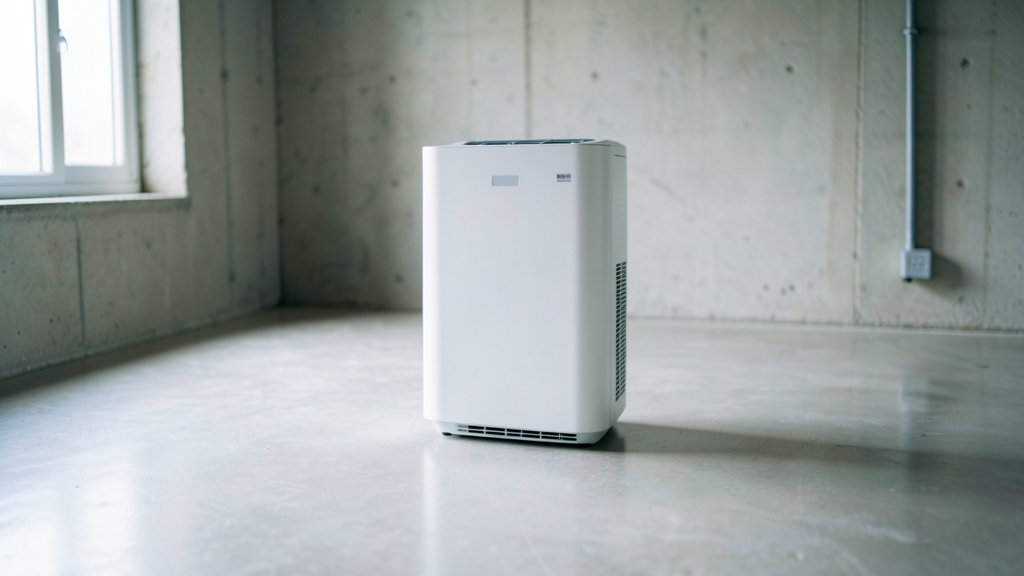
Once the source is addressed, we deploy HEPA air scrubbers and negative air pressure systems to capture airborne spores. This prevents cross-contamination to clean areas during the remediation process.
Porous vs. Non-Porous Materials: What Can Be Saved?
Mold on non-porous surfaces like glass or metal can often be cleaned with antimicrobial solutions. But porous materials—drywall, carpet, ceiling tiles—absorb spores deep into their structure, making salvage difficult.
In cases of severe infestation, removal and replacement of porous materials is the only way to ensure complete spore elimination. We follow IICRC S520 standards to determine what stays and what goes.
| Material Type | Cleanable? | Typical Action |
|---|---|---|
| Glass, Metal, Tile | Yes | HEPA vacuuming + antimicrobial wipe-down |
| Drywall, Insulation | No | Removal and replacement |
| Hardwood Flooring | Sometimes | Sand and refinish if surface-level; replace if deep penetration |
| Carpet/Padding | No | Full removal and disposal |
| Concrete (unsealed) | Sometimes | Wire-brush cleaning + biocide application |
Containment and Air Filtration: The Backbone of Spore Control
Physical barriers and negative air pressure isolate the work area, preventing spores from migrating to other parts of the home. We use 6-mil polyethylene sheeting and airlock chambers for maximum containment.
HEPA air scrubbers run continuously during remediation, capturing spores as small as 0.3 microns. Post-remediation, we verify spore levels with air quality testing to confirm the environment is safe.
Always run air scrubbers for at least 24 hours after remediation to capture any lingering spores released during cleanup.
Preventing Recurrence: Moisture Control and Long-Term Strategies
Mold will return if the underlying moisture issue isn’t resolved. In Paradise Valley, common culprits include poorly ventilated attics, crawl spaces with high ground moisture, and plumbing leaks behind walls.
We recommend dehumidifiers for basements, improved attic ventilation, and regular HVAC maintenance to reduce indoor humidity. Encapsulating crawl spaces with vapor barriers can also block moisture from the soil.
When to Call a Professional: Signs You Need Expert Remediation
DIY efforts often fall short because they don’t address hidden spores or the root moisture problem. If you see mold covering more than 10 square feet, or if it returns after cleaning, it’s time to call in experts.
Musty odors, water stains, or unexplained allergies are red flags. In commercial settings or multi-unit buildings, professional remediation is non-negotiable to protect all occupants.
Signs You Need Professional Mold Remediation
- Visible mold growth over 10 sq. ft.
- Persistent musty odors
- Unexplained respiratory issues or allergies
- Water damage or staining on walls/ceilings
- Mold in HVAC systems or ductwork
- Recurring mold after DIY cleaning
How to Reduce Mold Spore Levels in Your Home
While professional remediation is critical for large or hidden infestations, these steps can help minimize spore counts in between inspections.
- 1Control Indoor Humidity
Use dehumidifiers in basements or crawl spaces to keep humidity below 50%. In monsoon season, run AC units consistently to reduce moisture buildup.
- 2Improve Ventilation
Install exhaust fans in bathrooms and kitchens, and ensure attics and crawl spaces have proper airflow. Open windows when outdoor humidity is low.
- 3Clean and Dry Water Damage Immediately
Any leaks or flooding should be addressed within 24-48 hours. Use fans and dehumidifiers to dry affected areas thoroughly.
- 4Use HEPA Vacuums for Cleaning
Regular vacuuming with a HEPA-filtered vacuum can capture spores from carpets, upholstery, and hard floors. Avoid standard vacuums, which can redistribute spores.
- 5Inspect Hidden Areas Regularly
Check under sinks, behind appliances, and in attics or crawl spaces for signs of moisture or mold. Early detection prevents widespread infestations.
Frequently Asked Questions
How do I know if mold spores are in my Paradise Valley home’s air?
Air quality testing is the most reliable method. We use spore trap sampling to measure airborne spore counts and compare them to outdoor baselines. Visible mold or musty odors are also strong indicators.
Can mold spores be completely eliminated from a home?
No—spores exist naturally in all environments. The goal of remediation is to reduce spore counts to safe, normal levels and prevent conditions that allow them to colonize and grow.
Is black mold more dangerous than other types in Paradise Valley?
Stachybotrys (black mold) can produce mycotoxins, but all mold types can pose health risks if left unchecked. The key is addressing any mold growth promptly, regardless of color or species.
How long does professional mold spore removal take?
Timelines vary based on the infestation size and affected materials. Small, contained jobs may take 1-3 days, while large or hidden infestations in areas like Phoenix or Scottsdale can require a week or more for full remediation and clearance testing.
Does homeowners insurance cover mold remediation?
Coverage depends on the policy and the cause of the mold. Sudden water damage (e.g., burst pipes) is often covered, but long-term moisture issues may not be. We recommend consulting your insurer and requesting a quote from us to understand costs.
What’s the difference between mold removal and mold remediation?
Removal refers to eliminating visible mold, while remediation addresses the root cause—moisture—and ensures spores are controlled to prevent regrowth. True remediation includes containment, air filtration, and post-clearance testing.